If you have ever put on a cute band, looked in the mirror, and felt like your hair suddenly belonged in a middle-school photo, you are not alone. The good news is that headband hairstyles can look polished, modern, and very wearable when you match the band to your texture, outfit, and part. I live for anything that makes second-day hair look deliberate, and this is one of the easiest tricks in my rotation when I want something faster than a full blowout but nicer than a messy bun.
The first rule is simple: choose the band for the job, not just for the color. A padded velvet band gives more of a vintage, dressed-up feel. A slim satin band reads softer and works well with loose waves. A knit or ribbed cotton band feels casual and sporty, which is great for coffee runs, school pickup, or a quick farmers market lap. For fine hair, narrower bands usually sit better and create less bulk. For thicker hair, a wider band or one with a little grip helps everything stay in place without squeezing your head by lunch.
One detail people skip is hair prep. The best headband hairstyles start with hair that has a little texture, even if that texture is subtle. Freshly washed hair can be too slippery, so a little dry shampoo at the roots or a touch of texture spray gives the band something to hold on to. If your hair is super clean, tuck in a few bobby pins behind each ear so the band does not slide back. That tiny step makes the whole style feel more finished.
Start with the band that matches your day
The easiest way to make the look feel intentional is to think about where you are going. For work, I like a plain black or tortoiseshell band with smooth hair and a center part. It reads neat without trying too hard. For weekend errands, a soft terry or cotton band looks cute with a white tee, oversized blazer, and straight-leg jeans. For dinner, a satin or velvet version adds just enough polish to make a simple dress feel styled. I wear headband hairstyles most when I want my outfit to do the talking but still need one small detail that makes everything feel finished.
If your face framing pieces tend to fall flat, leave a few strands out on purpose instead of fighting them. Soft pieces around the temples can keep the style from looking too severe. If your hairline is delicate, place the band slightly back from the front edge rather than pressed all the way forward. That tiny shift makes the style look more relaxed and less like you borrowed it from a costume drawer.
Three easy formulas that always work
My favorite version is the low bun plus band combo. Pull hair into a loose bun at the nape, smooth the top with a brush, and place the band after the bun is secured. This is one of the cleanest headband hairstyles for busy mornings because it hides frizz fast and still looks like you planned the outfit. If you want a softer version, let a few pieces around the face fall naturally and keep the bun slightly undone.
A second option is loose waves with a middle part. Put in the band after the waves cool, then gently lift the hair at the crown so the top does not look too flat. This works especially well with a ribbed knit band or a simple satin one. The result is casual but not lazy, which is basically the sweet spot for brunch or a casual workday.
A third formula is a low ponytail with a wrapped base. This looks best when the ponytail is smooth at the front and a little airy at the ends. If you want extra polish, wrap a small section of hair around the elastic and pin it underneath. It takes two extra minutes and makes the whole look feel more expensive.
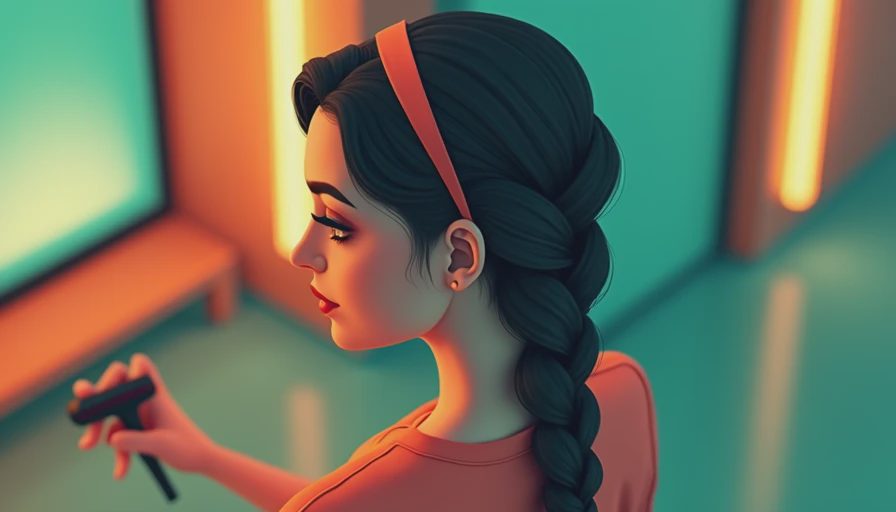
When the band slips, flattening happens, or your hair gets dents
The number one complaint I hear is that the band slides back. That usually means the hair is too silky or the band is too smooth for your texture. A light spray of texture spray at the roots or a few pins hidden behind the ears usually fixes it. If you have very fine hair, avoid putting the band on bone-dry, freshly brushed hair with no product at all. It looks sleek for ten minutes and then starts moving.
Flattening at the crown is another common issue. To avoid that, do not press the band directly onto the top of your head like you are trying to secure a helmet. Set it a little behind the hairline, then gently puff the hair up in front of it with your fingertips. If you need volume, a quick blast of dry shampoo at the roots can give the style a better shape without making it stiff.
Dents are usually a timing problem. If you are using a soft, wide band, give your hair a minute to settle after placing it on. If you are planning to wear it all day, avoid placing the band on soaking-wet hair unless the goal is a sleek look. The practical version of headband hairstyles is all about making the band work with your hair instead of trapping it.
What to wear so the look feels styled, not costume-y
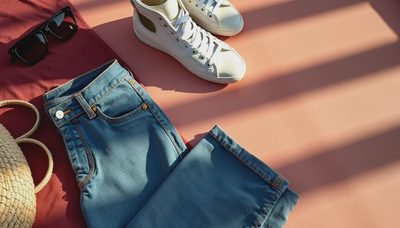
The easiest outfits are the ones that already have a little structure. A blazer, a clean tee, and straight jeans make a headband look smart instead of overly sweet. A slip dress or ribbed knit dress works when you want the band to feel feminine without leaning into prom territory. For casual days, a sweatshirt with good shape and clean sneakers keeps the whole look grounded. If you love vintage pieces, this is one of the few accessories that can make an old cardigan or a worn-in denim jacket feel current again.
Color matters more than people think. Black, navy, cream, and tortoiseshell are the easiest neutrals because they do not fight with your clothes. If you want something playful, choose one accent color that repeats somewhere else in your outfit, like your bag, shoes, or nail color. That repetition makes the accessory feel intentional, which is exactly what good headband hairstyles should do.
For very casual errands, I like pairing a simple band with minimal jewelry and a clean lip balm look. For dinner, I add earrings or a sharper neckline so the band feels like part of the full outfit, not a last-minute fix. It is a small shift, but it changes everything.
My keep it or return it verdict on materials and price
If you are shopping, I would keep the versions that sit comfortably for hours and return the ones that pinch, slide, or feel too stiff. In real life, that usually means buying fewer bands in better materials. Drugstore options from brands like Scunci and Kitsch can be solid for everyday wear, especially if you want to test a shape before spending more. Midrange picks from Emi Jay or Slip tend to feel a little more polished and are worth it if you wear accessories often. Expect a basic band to start around $5 to $12, with nicer fashion styles often landing in the $20 to $40 range.
My honest verdict is to keep the bands you can wear in more than one setting. If a piece works with jeans, a blazer, and a dress, it earns a spot in your drawer. If it only works for one very specific outfit, it is probably trend clutter. For headband hairstyles, versatility is the whole point. You want something you can grab on a rushed morning and still feel good about when you catch your reflection later.
If you are building a small collection, start with one neutral slim band, one casual fabric band, and one dressier padded style. That is enough to cover most days without buying a pile of extras. Keep it practical, keep it flattering, and keep it comfortable. That is the formula I trust when I want my hair to look styled with the least effort possible.
No notes yet — write the first one.