No show socks sound simple, but if you’ve ever spent a day pulling a heel tab back up inside your shoe, you already know not all pairs are created equal. I wear them with sneakers, loafers, ballet flats, and the occasional backless mule, and my honest verdict is this: the right pair can make your outfit feel polished, while the wrong pair can ruin your whole mood by noon. If you want that clean, sockless look without blisters, sweat, or constant adjusting, here’s exactly what to look for.
What no show socks are supposed to do
The job of no show socks is pretty basic: stay hidden, stay on, and keep your shoes more comfortable. That means they should sit low enough to disappear under your shoe line, but still cover the spots that usually rub, especially the heel and the ball of the foot. Good ones also help with moisture, which matters a lot if you wear leather loafers, white sneakers, or flats without much airflow.
The biggest mistake shoppers make is buying one style and expecting it to work for every shoe. A no show sock that works with chunky Adidas Sambas may peek out of a low-cut loafer. A super low pair for ballet flats may slip off in a running-style sneaker. Think of them like bras or denim cuts: same category, different jobs.
Keep it / Return it: if a pair slides off in the fitting-room test, return it. You are not going to magically love it later.
The features that actually matter
When I’m trying new no show socks, I ignore fancy packaging and go straight to construction. First, check the heel grip. Silicone grips or a lightly textured gel strip are usually what keep the back from collapsing into the shoe. Second, look at the cut line. For loafers and flats, you want a deeper cut across the top of the foot. For sneakers, you can get away with slightly more coverage for better hold.
Fabric matters too. Cotton blends feel soft and easy for everyday wear, but a little nylon or spandex usually helps the sock keep its shape. If the material feels paper-thin, it may disappear nicely under the shoe, but it can also bunch up fast or wear out at the toe. I also like a bit of cushioning under the foot for city walking days, especially if I’m running between errands and a casual dinner.

One more small thing that makes a big difference: left and right shaping. Some premium no show socks are designed to follow the foot better, which means less twisting during wear. It’s not essential, but it does feel nicer.
Best no show socks for different shoe types
This is where being realistic helps. For white fashion sneakers, I like no show socks with medium coverage and a strong heel grip. You want comfort over invisibility because most sneakers will hide the sock anyway. Bombas, Stance, and similar everyday basics brands often do this style well, especially if you walk a lot.
For loafers, especially lower-cut leather pairs, go for a deeper vamp design. That just means the front dips lower so the sock doesn’t show across the top. For ballet flats, you need the lowest cut possible, but this is also the category where slipping is most common. If you wear flats often, it’s worth paying a little more for better grip.
For mules or backless styles, traditional no show socks usually do not make sense unless they’re designed specifically for that shape. Honest verdict: don’t force it. Either use a liner made for mules or skip socks and use blister protection where needed.
Fit, sizing, and the annoying reasons they slip
A lot of no show sock complaints are really fit problems. If the pair is too big, the heel folds under your foot. If it’s too small, it pulls backward and starts creeping off. Size charts matter here more than people think. If you’re between sizes, I usually prefer the smaller option only if the fabric has good stretch and recovery.
Also pay attention to your shoe fit. If your loafer is slightly loose in the heel, even decent no show socks may move around because the shoe is already lifting with every step. In that case, the sock is not always the villain. Sometimes the better fix is a heel insert, a more secure shoe, or a slightly different sock cut.
Size up if: the brand runs tight, you hate toe pressure, or you have a wider foot. True to size if: the blend has stretch and the brand is known for everyday basics.
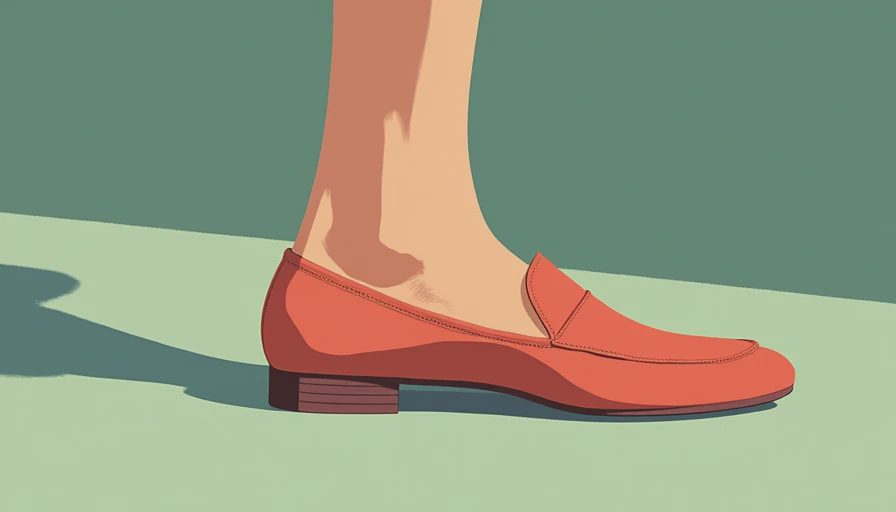
I wore this three times already: a well-fitted pair with heel grips inside leather loafers, and it stayed put through coffee runs, grocery stops, and a long walk with Bubu.
How I style no show socks without ruining the look
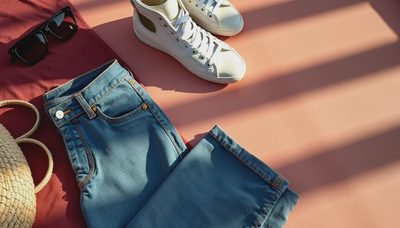
The whole point of no show socks is keeping the line of the outfit clean. With straight-leg jeans and sneakers, they let your ankle show just enough to look intentional. With cropped trousers and loafers, they keep things polished and practical. With slip skirts, oversized knits, and simple white sneakers, they help the outfit feel effortless instead of overly sporty.
My favorite styling formula is one piece, three ways: white sneakers plus no show socks for a casual work look with trousers and a tee, weekend denim with a vintage jacket, and a date-night mini dress with a clean sneaker. Same sock category, different vibe.
What I avoid: socks that are technically “no show” but peek out the sides. That tiny edge is weirdly distracting in photos and in real life. If it shows, it’s not invisible enough for the shoe you’re wearing.
Care tips and my honest shopping verdict
If you want no show socks to last, wash them in a mesh bag and skip high heat when possible. The silicone heel grips and elastic tend to break down faster when they’re constantly blasted in the dryer. Also, buy them in small batches first. A three-pack is a test run; a ten-pack is a commitment.
Price-wise, I think the sweet spot is usually around $12 to $24 for a multi-pack for everyday pairs, and a little more for specialty low-cut styles. Super cheap multipacks can work, but they’re often the ones that stretch out after a few wears. On the flip side, expensive does not always mean better. Read reviews for slipping, cut, and durability before adding to cart.
Keep it / Return it: keep no show socks that stay hidden, stay put, and feel good by the end of the day. Return the ones that roll, peek out, or make you clench your toes just to keep them on. Linked below: if you’re building a wearable, real-life wardrobe, this is one of those little basics worth getting right.

No notes yet — write the first one.