A red fall dress is one of those pieces that can make an entire outfit feel finished before you have found your shoes. The trick is choosing the right shade, fabric, and silhouette so it looks intentional rather than like a holiday costume. I have been wearing mine around Los Angeles with ankle boots, sneakers, and a vintage leather jacket, and the best versions are surprisingly practical. Here is how I would shop for one, style it three ways, and decide whether a particular dress deserves closet space.
Find the right shade and fabric
The word red covers a lot of territory. Tomato red feels bright and modern, burgundy looks polished, and brick red has that faded, vintage quality I love for farmers market Saturdays. If you want the most wear, look for cranberry, rust, or oxblood rather than a highly glossy cherry shade. Those colors work with camel, chocolate brown, charcoal, denim, and black.
Fabric changes the mood just as much. A ribbed knit red fall dress is comfortable for everyday errands, but thin knits can cling and show every pocket or waistband underneath. Cotton poplin holds a cleaner shape and works for the office, while velvet feels special enough for dinner. I also like brushed jersey because it feels soft without looking like loungewear. Before buying, hold the fabric toward a window and check for transparency, especially if the dress is fitted.
The silhouette should match how you actually spend your time. A wrap style gives you an adjustable waist, a slip shape layers well over a fitted tee, and a long-sleeved midi is the easiest option for cooler evenings. In my experience, a hem that lands below the knee but above the ankle is the most useful length. It works with boots without creating a strange gap, and it does not drag through coffee shop floors or dog-park grass.

One piece, three wearable outfits
For work, I style a red fall dress with a structured charcoal blazer and simple black loafers. The jacket tones down the color without hiding it, while a narrow belt can define the waist if the dress runs loose. Add small gold hoops and a medium tote, and the result feels pulled together without looking like you tried to copy a formal suit. If your office is casual, swap the loafers for clean white leather sneakers and choose a less fitted shape.
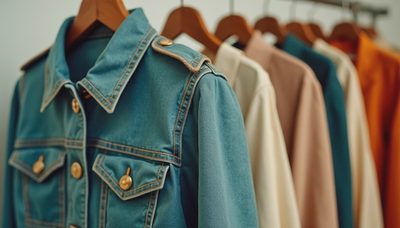
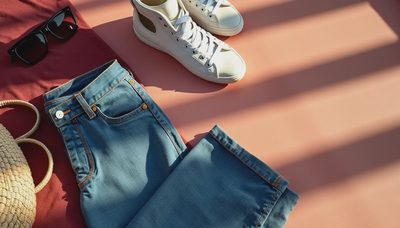
For the weekend, make the red fall dress feel more relaxed with a faded denim jacket and flat ankle boots. A canvas crossbody keeps the outfit practical for browsing vintage racks or carrying treats home from the farmers market. I would roll the sleeves slightly and leave the neckline unbuttoned if the dress has a shirt-dress cut. This is also where texture helps: suede boots, worn denim, and a soft scarf make a bright shade feel less precious.
For date night, keep the styling simple rather than adding several dramatic accessories. A cropped black jacket, heeled boots, and a small shoulder bag are enough. If the dress has a high neckline, wear a sleek bun or a low ponytail to show the shape. If it has a deep V, a delicate pendant works better than a chunky necklace. Red already brings visual energy, so the rest of the outfit should provide balance.
Fit details that matter in real life
Size up if the buttons pull across your bust, the waist seam sits above your natural waist, or you cannot comfortably lift your arms. A dress that looks perfect while standing still but restricts your stride will not become a favorite. True to size if the shoulder seams sit at the edge of your shoulders, the sleeves do not twist, and you can sit without the skirt climbing several inches.
With a red fall dress, fit is especially important because bright color draws attention to construction. Check whether the side seams hang straight and whether the lining ends close to the outer hem. A lining that is much shorter can ride up while you walk. For online shopping, measure a dress you already love from shoulder to hem and compare those numbers with the listing. Do not rely on small, medium, and large labels alone; sizing can change dramatically between brands.
I also look at the care label before purchasing. Dry-clean-only velvet is beautiful, but it is less convenient than machine-washable jersey. If the fabric wrinkles easily, consider whether you have time to steam it before work. My honest rule is simple: if the dress needs special care every time you wear it, the price should reflect that effort. A $45 cotton style can be a better value than a $160 dress that stays in the closet.

Accessories that make the color easier to wear
The easiest way to soften a red fall dress is with neutral accessories. Cognac boots warm up rust and brick shades, while black boots make cranberry or burgundy feel sharper. Cream can look beautiful too, especially with a chunky cardigan, but bright white sometimes creates too much contrast for daytime. For jewelry, gold brings warmth and silver makes the outfit feel cleaner and cooler.
Do not forget practical layers. A camel coat creates a classic combination, an olive utility jacket gives the dress a casual edge, and a black leather jacket works for concerts or dinner. In Los Angeles, I often carry a lightweight cardigan instead of a heavy coat because the temperature can change between a sunny afternoon and a chilly patio. A scarf is useful when it adds texture, not when it completely hides the neckline.
If you coordinate with your pet, keep it subtle. Bubu gets a small bandana in a matching rust or cranberry tone, while I keep my own accessories simple. That little color connection photographs well without turning the walk into a themed costume. Real outfits should still work when the dog pulls toward a squirrel or the wind ruins your hair.
What to pay and when to keep it
You can find a wearable red fall dress at many price points. Around $40 to $70, prioritize fabric opacity, clean seams, and a useful length. From $80 to $150, look for better lining, stronger zippers, and a shape you can wear across several seasons. Above $150, I want exceptional construction or a distinctive vintage-inspired detail, not just a louder shade of red.
My keep-it test is whether I can name three occasions for the dress immediately. A red fall dress that works for the office, a weekend lunch, and an evening out is earning its place. I also ask whether I would wear it with the shoes already in my closet. If the answer requires buying a special bra, new boots, and a coat, the real cost is much higher than the tag.
Keep it if the color makes you feel confident, the fabric survives sitting and walking, and the waist does not need constant adjusting. Return it if the lining twists, the buttons gape, or the dress photographs beautifully but feels uncomfortable after ten minutes. My favorite red fall dress is not the most dramatic one I have tried; it is the one I wore three times in one week because it made getting dressed easier.
Final styling verdict
A red fall dress is worth considering when you want one statement piece that can move between polished and casual outfits. Start with a wearable shade, inspect the fabric in natural light, and choose a length that suits your existing shoes. Then build around it with denim, charcoal, camel, black, or cognac instead of buying a whole new wardrobe.
Keep it or return it — here is the honest verdict: keep the dress that fits your real schedule, feels comfortable when you sit and walk, and offers at least three outfit formulas. The right one adds color to gray autumn days without demanding too much effort, which is exactly what I want from a great seasonal purchase.


No notes yet — write the first one.