If you're wondering **what to wear to an interview**, the short answer is this: aim for polished, comfortable, and slightly more dressed up than the company’s everyday vibe. You do not need a stiff outfit that feels like a costume. You need clothes that fit well, look intentional, and let the interviewer focus on you instead of your hemline, shoes, or wrinkled blazer. My honest take: the best interview outfit is usually built from simple pieces you can wear again, not a panic-buy set that never leaves your closet.
Start With the Company Dress Code
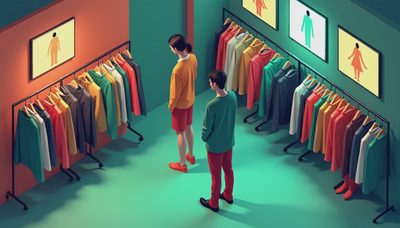
The first step in deciding **what to wear to an interview** is reading the room before you walk into it. A corporate law office, a creative agency, a startup, and a retail management role all expect different versions of polished. If the brand posts office photos on LinkedIn or Instagram, check those. If the company website shows team headshots, that can help too. You are not copying their exact outfit. You are using it as a clue.
For a formal office, think tailored trousers, a blouse, loafers, or a blazer. For business casual, a knit top with ankle pants and clean flats usually lands well. For creative roles, you can show more personality with color, a modern silhouette, or a sleek dress, but keep it edited. Keep it or return it: if the outfit feels more like brunch than business, return it.
A good rule is to dress one level above the daily standard. That shows effort without looking out of place. And yes, comfort matters. If you cannot sit, walk, or breathe normally, it is not the one.
The Easiest Outfit Formulas That Always Work
If you freeze when choosing outfits, use formulas instead of starting from scratch. These are the combinations I come back to when readers ask **what to wear to an interview** and want something easy.
Formula one: straight-leg trousers, a tucked-in blouse, and loafers or low block heels. This works almost everywhere and photographs well if there is a video call or same-day headshot.
Formula two: a midi dress with structure, plus a blazer. Look for thicker fabric that does not cling. Add simple pumps, flats, or polished boots depending on season.
Formula three: ankle pants, a fine-gauge knit, and a longline blazer. This one feels modern and comfortable, especially if you hate button-down shirts.
Formula four: dark trousers, shell top, and cardigan for softer business casual offices.
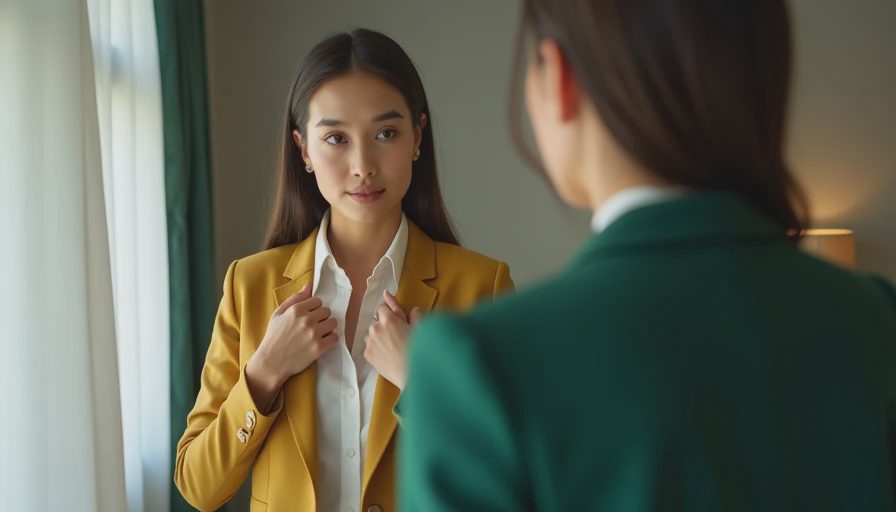
Color-wise, navy, black, cream, taupe, charcoal, and soft blue are reliable. A quiet print can work, but busy florals, loud logos, and anything distracting can pull focus. The goal is memorable in a good way, not memorable because your neon blouse arrived before you did.
Fit, Fabric, and Shoes Matter More Than Trends
The real secret to **what to wear to an interview** is not buying the trendiest item. It is making sure your clothes fit properly and look good in motion. Shoulders should sit where they belong. Pants should not drag. Skirts and dresses should pass the sit test. Fabric should feel substantial enough that it is not see-through under office lighting.
This is where affordable basics can beat expensive statement pieces. A well-fitted blazer from J.Crew, Mango, Banana Republic, or Nordstrom can look far better than a trendy jacket with shiny buttons and awkward sleeves. If you thrift, amazing. Just make sure the piece is pressed and tailored if needed. A simple hem can make a $30 pair of pants look like a much better buy.
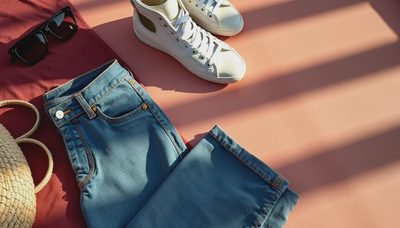
Shoes deserve more attention than people think. Choose pairs you can actually walk in. Loafers, low pumps, sleek ankle boots, and clean ballet flats are all solid options. Skip anything scuffed, towering, or noisy. Keep it / return it: if you are wobbling, return it.
Accessories, Hair, and Grooming: Keep It Clean and Intentional
Once the outfit is set, finish it without overdoing it. When people ask me **what to wear to an interview**, they are often also asking how polished is polished enough. The answer: simple details, nothing distracting.
Jewelry should be minimal. Think small hoops, studs, a watch, or one delicate necklace. Your bag should be structured enough to hold a resume, notebook, and charger without looking like a gym tote. If you carry a laptop, a clean leather or faux-leather tote always helps the outfit look intentional.
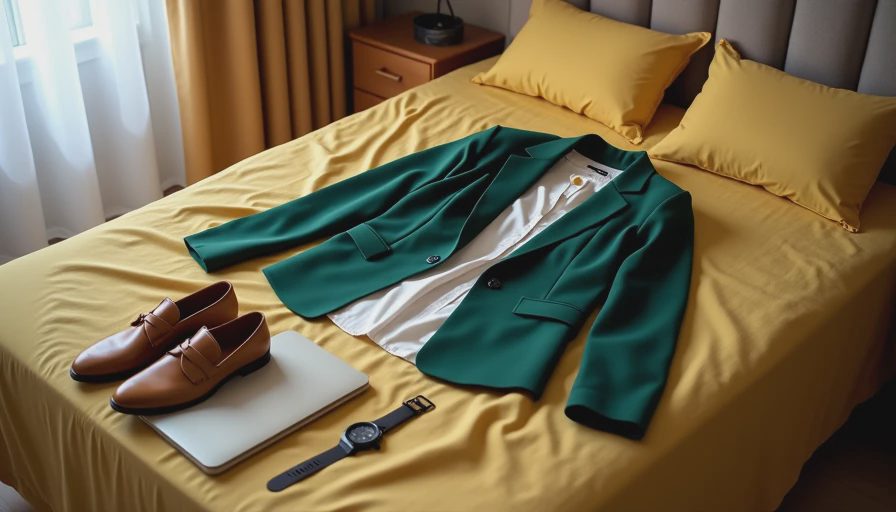
Hair should feel neat and familiar, not like you are testing a brand-new look at 8 a.m. A smooth blowout, bun, ponytail, or natural texture styled with care all work. Makeup is optional, but if you wear it, keep it fresh and long-wearing. Think even skin, brushed brows, mascara, and a lip color you do not have to babysit. Nails should be clean. Fragrance should be light.
These little choices matter because they signal readiness. Not perfection. Just that you planned ahead and respect the moment.
What Not to Wear to an Interview
Sometimes it is easier to decide **what to wear to an interview** by ruling things out. I would skip anything overly tight, sheer, wrinkled, noisy, or obviously uncomfortable. That includes sky-high stilettos, micro hemlines, tops that need constant adjusting, and fabrics that wrinkle the second you sit down.
Also skip giant logos, clubwear energy, and anything too casual unless the setting clearly calls for it. Even in laid-back offices, ripped denim, flip-flops, and beat-up sneakers are usually not your best move. If you are interviewing on video, avoid tiny stripes and harsh white that can look odd on camera.
Weather matters too. Bring a layer if the office runs cold. If it is raining, wear practical shoes on the commute and switch when you arrive. Real life style always wins over suffering for the look.
Final Verdict: Dress Like the Best Version of Yourself
The best answer to **what to wear to an interview** is an outfit that makes you feel sharp, comfortable, and credible. You want the interviewer to remember your answers, your presence, and your professionalism, not the fact that your blazer was pulling or your shoes were torture.
My favorite approach is simple: one polished base, one structured layer, one practical shoe, minimal accessories. Try the full outfit on the day before, sit in it, walk in it, and check it in natural light. Steam it, lint-roll it, and set everything out early. That last part matters more than people think.
Keep it or return it — here's the honest verdict: if the outfit feels clean, confident, and a little elevated from your normal daywear, keep it. If it feels fussy, tight, or like someone else’s personality, return it. The right interview outfit should support you, not compete with you.
No notes yet — write the first one.