If you are wondering what is black tie attire for a woman, the short answer is an elegant evening outfit that feels polished, formal, and intentional. Traditionally, that means a floor-length gown or a very dressy cocktail dress, but modern black-tie events allow more flexibility. You do not need to look like you are attending a royal wedding. You do need to look significantly more dressed up than you would for dinner, work, or a casual wedding.
The traditional black-tie dress code
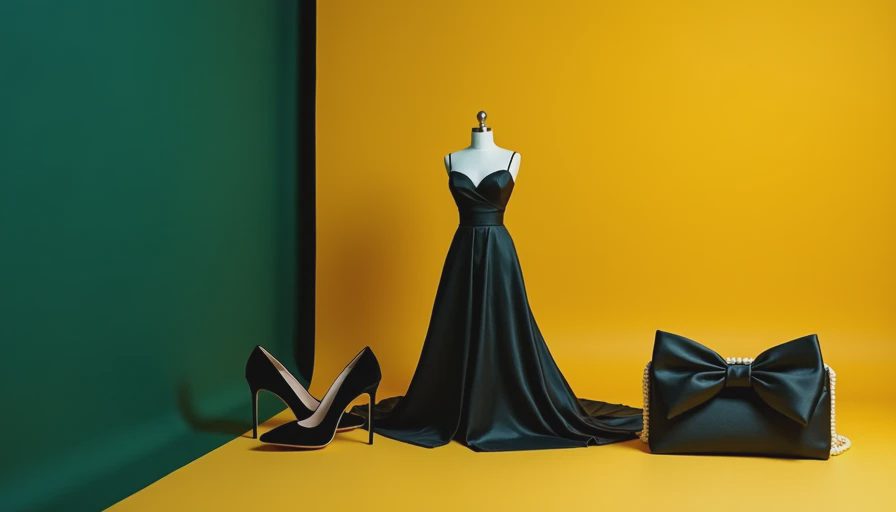
Black tie sits below white tie, the most formal evening dress code, but above cocktail attire. For women, the classic choice is a floor-length evening gown in a refined fabric such as silk, satin, velvet, chiffon, or crepe. A full-length dress in black, navy, burgundy, emerald, or metallic fabric is almost always a safe direction.
That does not mean every black-tie dress must be dramatic. A simple column gown with clean lines can look more expensive than a heavily decorated dress. Look for a flattering neckline, a defined waist, and a hem that nearly reaches the floor when you are wearing your event shoes. A dress that drags or requires constant adjusting will make the evening less enjoyable, no matter how beautiful it looks in photos.
For a clearer answer to what is black tie attire for a woman, think “formal eveningwear,” not “anything black.” Black is popular, but the dress code describes the level of formality rather than a required color. A dark green gown, silver slip dress, or rich plum velvet style can be completely appropriate.
Can a cocktail dress work?
A cocktail dress can work when it has a formal finish and a sophisticated silhouette. Choose a longer midi or ankle-length style rather than a short party dress. Satin, beaded details, structured tailoring, or an elegant drape can elevate the look. A plain cotton sundress, bodycon club dress, or very short hem usually feels too casual.
The invitation wording matters. “Black tie optional” gives you more room to wear a formal midi dress or a tailored jumpsuit. “Creative black tie” invites fashionable details, such as a bright color, sculptural sleeve, statement earrings, or an unusual jacket. For a strict black-tie gala, I would choose a floor-length gown unless the host clearly suggests otherwise.
One practical test is to compare the outfit with what you would wear to a nice restaurant. If it could easily be worn for brunch, a daytime shower, or an office celebration, it probably needs more polish. This is what is black tie attire for a woman really comes down to: the outfit should visibly belong in an evening setting.
Shoes, bags, and jewelry
Formal accessories complete the outfit. Choose refined heels, dressy sandals, or elegant pointed-toe pumps. A low heel is perfectly acceptable if it is sleek and evening-appropriate. I often prefer a stable two- or three-inch heel for long events because graceful walking is better than wobbling through a ballroom. Metallic silver, gold, black, and nude shoes are easy to coordinate.
Your bag should be small. A satin clutch, beaded minaudiere, or compact chain-strap evening bag is more appropriate than a large leather tote. Bring only the essentials: phone, cardholder, lipstick, and perhaps fashion tape. Oversized work bags make even a beautiful gown look less formal.
Jewelry depends on the neckline. A strapless or simple scoop-neck dress can handle a statement necklace, while ornate earrings may be enough for a high neckline. Pearls, crystal studs, sculptural gold, and delicate drop earrings all work. You do not need to wear expensive jewelry; well-chosen costume pieces can look polished when the finish is clean and the scale suits the dress.
Choosing the right fit and fabric
When deciding what is black tie attire for a woman, fit matters more than a designer label. The shoulder seams should sit correctly, the bust should feel secure, and the waist should not pinch when you sit. If you are between sizes, buy for the largest area and plan a simple alteration. Hemming often costs less than replacing a dress that never feels comfortable.
Fabric also changes the entire impression. Satin catches light and photographs beautifully, but it can show wrinkles and cling around the hips. Velvet feels luxurious for winter events but can become warm indoors. Chiffon moves easily and is forgiving, while crepe creates a smooth, streamlined shape. Before ordering online, check the lining, zipper placement, return policy, and garment measurements instead of relying only on the size label.
For fit, size up if the zipper strains, the fabric pulls across the bust, or you cannot comfortably sit. True to size if the dress skims rather than squeezes and the lining stays flat. A small tailor adjustment can turn a good formal dress into one that looks custom-made.
Modern alternatives to a gown
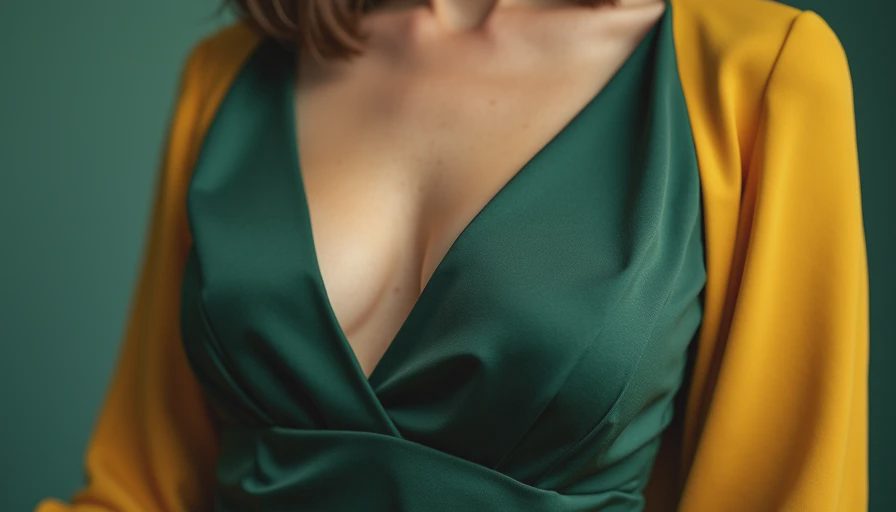
A formal jumpsuit can answer what is black tie attire for a woman when you want something less traditional. Choose a wide-leg silhouette in crepe, velvet, satin, or a similarly elevated fabric. A strapless neckline, one-shoulder detail, cape sleeve, or sharply tailored bodice makes the look feel evening-ready. Add pointed heels and a compact clutch so the outfit does not drift into businesswear.
A matching evening set can also work, particularly for creative black tie. Consider a beaded top with palazzo pants, a satin camisole with a floor-length skirt, or a structured jacket over a column dress. The pieces should look intentional together, not like separate items pulled from a work wardrobe. If the event is conservative or very traditional, a gown remains the safest choice.
Modesty and coverage are easy to build into formal dressing. Long sleeves, a high neckline, a cape overlay, or a tailored evening jacket can provide coverage without making the outfit look matronly. For outdoor events, bring a wrap, cropped formal coat, or velvet stole rather than a casual cardigan.
Hair, makeup, and finishing details
Your beauty look should support the outfit instead of competing with it. A low bun, polished ponytail, soft waves, or a neat blowout all work. The goal is controlled and intentional, not necessarily elaborate. If the dress has a dramatic neckline, pulling your hair back can create balance. With a simple gown, loose waves or a bold lip can add personality.
Check the small details before leaving home. Steam the dress, remove visible lint, test the clasp on your necklace, and walk across the room in your shoes. Carry a tiny repair kit with double-sided fashion tape, a safety pin, and a stain-removal pen. These inexpensive items can rescue a loose hem or lipstick mark during a long reception.
My honest verdict is that black tie does not require discomfort or a huge shopping budget. A well-fitted $150 to $300 gown with thoughtful accessories can look more elegant than a $1,000 dress that needs constant tugging. Choose one strong piece, keep the rest refined, and make sure you can enjoy the event in it.
A simple shopping formula
Start with the invitation, season, venue, and expected formality. For a hotel gala in winter, try a velvet gown, metallic clutch, and closed-toe pumps. For a summer wedding, choose chiffon or satin, delicate sandals, and a light wrap. For a creative arts event, a sculptural jumpsuit or colorful column dress can feel more personal.
If you still ask what is black tie attire for a woman while standing in front of your closet, build the outfit in this order: formal dress or jumpsuit first, comfortable evening shoes second, small bag third, and jewelry last. Take a quick mirror photo from the front and side. If the proportions look balanced and the outfit feels clearly more formal than cocktail dressing, you are ready to go.



No notes yet — write the first one.