
The Ordinary serums are the $10–$15 “quiet luxury” upgrade my bathroom shelf needed
The Verdict (keep / return / hype / skip)
Keep it — if you’re ready to graduate from “cleanser + coconut oil + sunscreen” into a routine that actually targets dullness, fine lines, and those random grown-up blemishes that show up out of nowhere. The Ordinary is the rare situation where “cheap” doesn’t mean sketchy; it means no fancy packaging, no marketing fluff, and the ingredients on the front are basically what you’re paying for.
If you’re expecting instant glass-skin perfection overnight, though? Skip the hype. This is more like: consistent, unsexy, real results.
What I’m Using / What’s New (specifics, price tier, why it matters)
This whole switch started the way half of my best purchases do: by sheer coincidence. The original review literally came from hearing people talk about The Ordinary and retinol on a financial podcast (very “adulting,” very commute-core), and then panic-buying a few bottles the same day.
The key context: the writer used to swear by only three products:
- a facial cleansing bar
- coconut oil at night
- sunscreen in the morning
And honestly, that minimalist routine can feel amazing…until it doesn’t. Around age 31, her skin started looking dull, fine lines became more obvious, blemishes popped up, and harsh elevator lighting became the enemy. That part? Too real.
So why The Ordinary?
- It’s a hair and skincare brand that doesn’t spend heaps on fancy packaging or marketing.
- Each product is “highly-concentrated” with no filler.
- The price point is the headline: about $10–$15 per product.
- The comparison is brutal (in a good way): similar products from other brands can run $70 up to about $250.
The routine heroes from the source:
Hyaluronic Acid 2% + B5
This is positioned as the immediate “my skin feels different” step. Hyaluronic acid is described as a natural substance found in your skin, eyes, and joints. Topically, the source says it:
- rehydrates skin
- increases its capacity to retain water
- reduces the appearance of fine lines and wrinkles
Her take: “It’s the first product I grab after rinsing my face,” and her skin has “never felt so smooth and hydrated.” That’s a keep.
Niacinimide 10% + Zinc 1%
Also called Vitamin B3 (per the source). The listed benefits are kind of the holy grail list:
- reduces pore size over time
- improves barrier function
- decreases hyperpigmentation
- moisturises
- brightens
And the sensory note matters: it “feels very similar to hyaluronic acid…super hydrating,” and she uses it every day.
Vitamin C
The source starts to list benefits and then cuts off mid-sentence, but it does specify Vitamin C is in the lineup and that it helps with early skin aging, sun damage, and appearance.
Also: the original post mentions “retinol” as the big aha ingredient talked about on the podcast, including a before/after scan anecdote. But the source content here doesn’t list the exact The Ordinary retinol product name or price, so I’m not going to pretend it did.
How to Style It (aka how to actually fit this into real life)
Think of this like styling basics: you’re not trying to wear every trend at once. You’re building a repeatable outfit formula.
Here’s the simplest “outfit formula” pulled from how the products are described:
After cleansing (post-rinse):
1) Hyaluronic Acid 2% + B5 first — this is the “grab immediately after rinsing” step from the source.
2) Niacinimide 10% + Zinc 1% — described as similarly hydrating and used daily.
In the morning:
- The source routine always included sunscreen in the morning, and nothing in the article suggests stopping that. Keep sunscreen as your non-negotiable “jacket” layer.
At night:
- The previous routine was coconut oil as a moisturiser at night. The article doesn’t explicitly say to stop using it, but the entire point of adding concentrated serums is to do more than just seal things in. If you’re still using coconut oil, I’d treat it like an optional top layer, not the only step (and not the star).
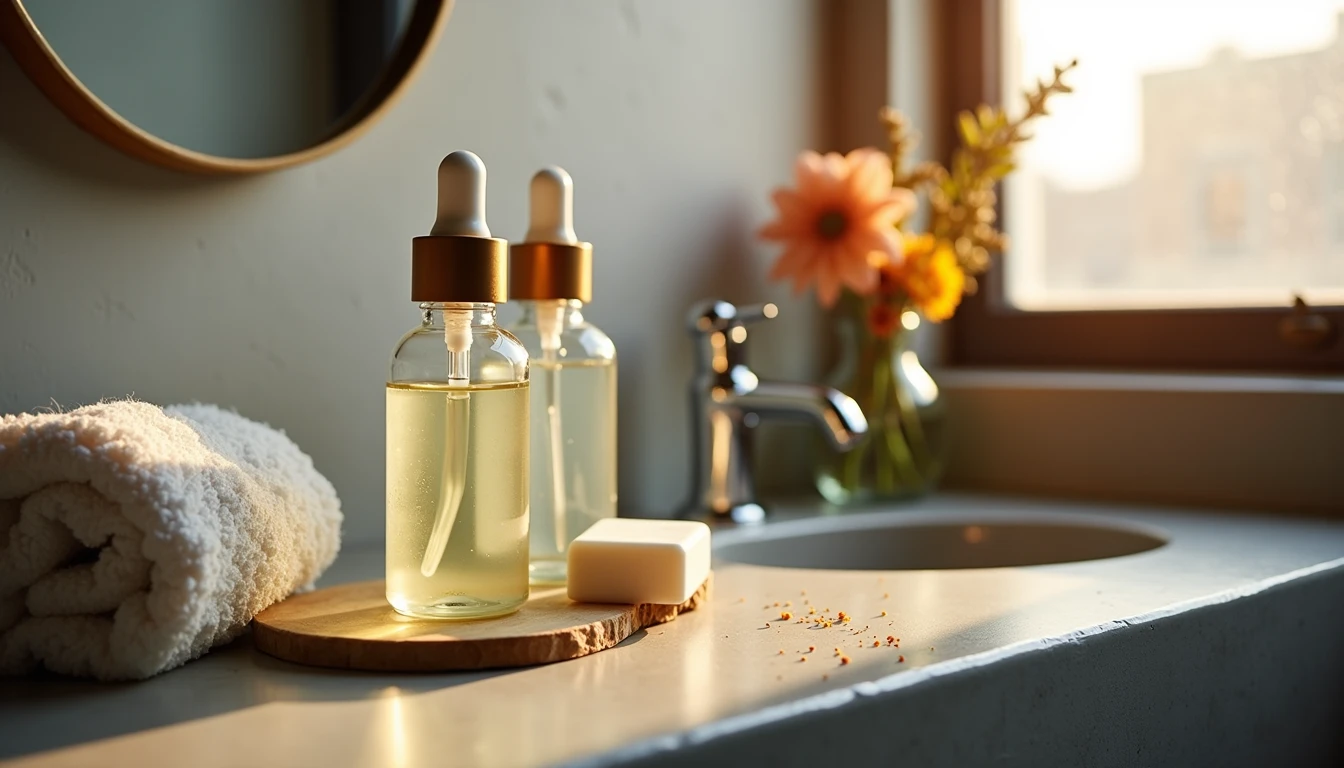
Real-life tip from my creator brain: put the two bottles you use daily front-and-center. If you have to open a drawer, the routine is over. My Arts District loft rule is the same for skincare as it is for denim: if it’s not visible, it doesn’t exist.
Sizing & Fit Notes (who this works for, what to watch)
Skincare doesn’t have “true to size,” but it absolutely has “true to lifestyle.”
This routine fits you if:
- You’ve been doing minimal skincare and your skin *feels* fine but *looks* dull.
- You’re noticing more fine lines than you used to.
- You’re suddenly dealing with blemishes as an adult and you’re annoyed about it.
What’s important in the source is the expectation reset:
- Collagen production decreases after your mid-20s (as stated), and dullness can happen — but she didn’t accept “guess I’m dull now” as the vibe.
- She changed the routine and saw major improvements from adding targeted serums (the retinol story is the proof-point, even though the exact product isn’t named here).
Bicultural sizing analogy (because it’s the clearest way to explain this): if you’ve ever shopped brands that follow East Asian fit conventions, you know you can’t buy based on your usual US size and hope for the best. You check measurements, you expect a different cut, and you adjust. Skincare is like that. If you treat every serum like “it’s all the same,” you’ll miss the point — these are targeted products, not just fancy water.
Worth It? (price-to-wear ratio, who it’s for, what to skip)
At $10–$15 per product, the price-to-wear ratio is almost unfair — especially when the source compares similar formulas elsewhere at $70 to about $250.
This is worth it if you want:
- affordable, concentrated actives without paying for packaging
- noticeable hydration and smoothness (the hyaluronic acid praise is loud)
- a daily brightening/support step (niacinimide is described as everyday-friendly and hydrating)
What I’d personally “Return it” (aka skip the mindset, not the brand):
- Skipping consistency. The whole transformation here is from sticking with an upgraded routine, not from buying bottles as decor.
- Assuming all serums are a hoax because some eye creams are overhyped. The source literally changed her mind after learning serums can penetrate and impact visible aging over time.
Keep it / Return it final call:
- Keep it if you’re ready for a real routine upgrade on a budget.
- Return it if you’re only looking for one miracle product and you don’t want to commit to a routine.