An amish white dress can look beautifully simple, but styling one without feeling costume-like takes a little intention. I love the clean shape of this kind of dress because it gives you a calm starting point for accessories, shoes, and layers. The best versions feel modest, comfortable, and easy to wear while still looking current. Whether you found yours at a vintage shop, an online boutique, or in a handmade collection, the goal is to make it fit your actual life, from a Saturday farmers market to a casual office.
The first thing I check is fabric. Lightweight cotton is breathable and relaxed, while cotton poplin has more structure and gives the outfit a sharper finish. Linen blends look lovely in warm weather but wrinkle quickly, so I treat those creases as part of the texture rather than a failure. A lined dress is usually worth paying more for because white fabric can become transparent in direct sun. Before buying, hold the dress near a window, check the seams, and look for a hem that hangs evenly.
Choosing the right fit and length
Fit matters more than decoration with an amish white dress. If the shoulders sit correctly and the waist falls where you expect, the whole piece looks polished even with simple sandals. I prefer a little room through the body rather than a tight fit, especially with woven cotton that does not stretch. You should be able to sit, reach forward, and raise your arms without the fabric pulling across your back.
For sizing, choose your usual size if the bust and shoulders feel comfortable and the skirt moves freely. Size up if the buttons pull, the armholes cut in, or the waist feels restrictive after a few minutes. If you size up for the bust, a tailor can often take in the side seams for around $25 to $60, depending on the construction. That small adjustment can make a $70 dress look far more expensive.
Length changes the mood. A midi hem feels modern with sneakers or low sandals, while an ankle-length version has a softer, more romantic presence. If you are petite, avoid a hem that stops at the widest part of your calf; either shorten it slightly or choose a longer line that ends near the ankle. A simple cotton slip in nude or soft gray can also add coverage without changing the look.
One dress, three everyday outfits
My favorite way to style an amish white dress is to build three outfits around the same base. For work, add a cropped navy cardigan, a slim leather belt, and loafers. The darker accessories give the white fabric enough contrast for a professional setting without making it feel severe. A structured tote in brown or black finishes the formula, and small gold hoops keep the outfit personal.
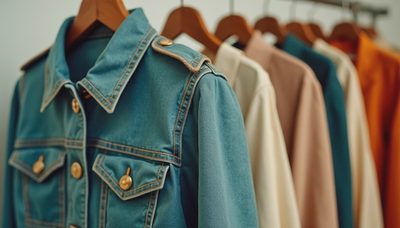
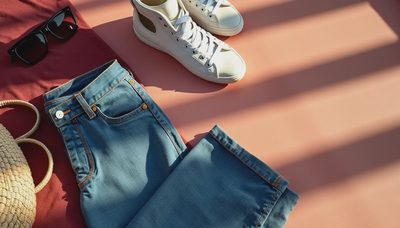
For the weekend, remove the belt and add a faded denim jacket. White canvas sneakers make the dress practical for walking, while a woven crossbody bag brings in texture. This is the version I would wear for coffee, a bookstore stop, and a long afternoon with Bubu at the park. If the dress has puff sleeves or a full skirt, keep the jacket cropped so your shape does not disappear under layers.
For date night, swap in heeled sandals or pointed flats and add a slim red, espresso, or metallic bag. A silk scarf tied around the handle gives the outfit color without covering the neckline. If your amish white dress has a high collar, choose earrings instead of a necklace. If it has a simple open neckline, a short pendant can add definition. The dress does not need dramatic styling; one intentional detail is usually enough.
Accessories that keep it current
The easiest way to modernize an amish white dress is through contrast. Try a chunky watch, a raffia bag, or a black belt rather than matching every accessory to the dress. Natural materials work particularly well because they balance the crisp white color. Think woven leather, wood, canvas, and brushed metal instead of a pile of delicate white details.
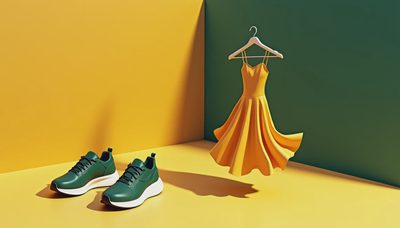
Shoes set the direction. Ballet flats create a soft vintage feeling, while fisherman sandals make the outfit look more urban. Sneakers are completely workable, but choose a clean low-profile pair rather than a heavily technical running shoe. Brands such as Veja, New Balance, and Converse offer different levels of structure, so consider the proportions of the skirt before choosing. A wide, full skirt usually looks best with a shoe that has some visual weight.
Color is another useful tool. Tomato red, cobalt, olive, chocolate brown, and denim all look fresh against white. I would skip too many pale accessories because the outfit can become washed out in photos. If you want a quieter palette, use cream and tan, but include one darker item, such as sunglasses or a belt, to anchor the look.
How to shop without overpaying
An amish white dress can cost less than $50 at a mainstream retailer or more than $200 from a small-batch maker, but price alone does not tell you whether it is a good buy. Look at the fiber content, lining, stitching, button quality, and return policy. A $90 dress with sturdy seams and a useful lining can be better value than a $35 version that needs an immediate alteration.
When shopping online, compare the garment measurements with a dress you already own. Bust measurement is especially important, but also check shoulder width, sleeve opening, and total length. Product photos can hide sheerness, so read reviews for comments about fabric weight and transparency rather than relying only on star ratings. Search terms such as cotton poplin, eyelet, and embroidered cotton can help you find a specific texture instead of scrolling through endless similar listings.
Vintage shopping is worth considering. I have found beautiful white cotton dresses at estate sales and thrift stores for $20 to $45, although they often need laundering or minor repairs. Check the underarm area, collar, and hem for yellowing. Some discoloration can improve with gentle washing, but deep stains and brittle fabric are usually signs to walk away.

Care, coverage, and real-life wear
White clothing needs a practical care plan. Wash it according to the label, separate it from dark colors, and avoid high heat unless the fabric allows it. A mesh laundry bag protects delicate embroidery, while a steamer is gentler than repeated ironing. For makeup marks around the neckline, treat the spot before washing instead of rubbing it aggressively after it sets.
Coverage is part of fit, not an afterthought. Seamless nude underwear usually disappears best, and a cotton slip can prevent cling on humid days. Test the outfit in natural light before leaving home, especially if you plan to wear it outdoors. I also check how the skirt behaves when I walk, sit, and step into a car. A beautiful dress that requires constant adjustment will not become a real wardrobe favorite.
Pet owners should be realistic about white fabric. Bubu has a talent for finding the cleanest outfit in the room, so I keep a lint roller in my tote and avoid wearing my brightest white dress before a muddy walk. A washable cotton style is much easier to enjoy than a fragile fabric that needs professional cleaning after every outing.
Keep it or return it: the honest verdict
Keep an amish white dress when the fabric feels substantial, the fit lets you move, and you can picture at least three occasions for wearing it. It should work with pieces already in your closet, not require a completely new collection of accessories. My ideal version is lined cotton with a comfortable shoulder, a useful pocket, and a hem that works with both flats and sneakers.
Return it when the white fabric is see-through even with a slip, the seams twist, or the waist forces you to choose between breathing and looking polished. I would also pass if the dress only works with one specific shoe or if the care instructions are unrealistic for your schedule. Beautiful clothes still need to be wearable.
The best amish white dress is not about copying a historical uniform or chasing a perfect cottagecore photograph. It is a flexible base with room for your own style. Add denim for errands, a cardigan for work, or bold accessories for dinner, then wear it often enough to make it yours. That is the real keep-it test: if you reach for it three times in a month, it earned its place in the closet.


No notes yet — write the first one.