When I am standing in front of my closet at 8:15 a.m., wondering what to wear, I do not need a dramatic trend forecast. I need an outfit that works for my schedule, feels comfortable in real weather, and still looks intentional by lunchtime. The easiest solution is a small collection of reliable formulas: a polished base, one interesting layer, and shoes that can handle actual walking. Here are the combinations I use for workdays, coffee runs, dates, and those unpredictable Los Angeles afternoons.
Start with the occasion, not the trend
The first question is not what to wear from a new-arrivals page. It is where you are going and how long you will be there. A gallery opening calls for a different level of polish than a farmers market, while a casual office may sit somewhere in between. Think through the full day before choosing a piece.
For a regular workday, I usually begin with straight-leg trousers or dark jeans, a fitted tank or knit top, and a relaxed blazer. The blazer adds structure without making the outfit feel corporate. For a Saturday, swap the trousers for denim shorts or a midi skirt and replace the blazer with a washable cardigan. If the plan includes several stops, choose leather sneakers, ballet flats, or low block heels instead of shoes that look cute only while you are sitting down.
Color also makes the decision easier. A neutral base in black, cream, denim, olive, or chocolate brown gives you room to add a red bag, striped shirt, or colorful earrings. You do not need a completely new outfit every time you leave home; you need a base that can accept one memorable detail.
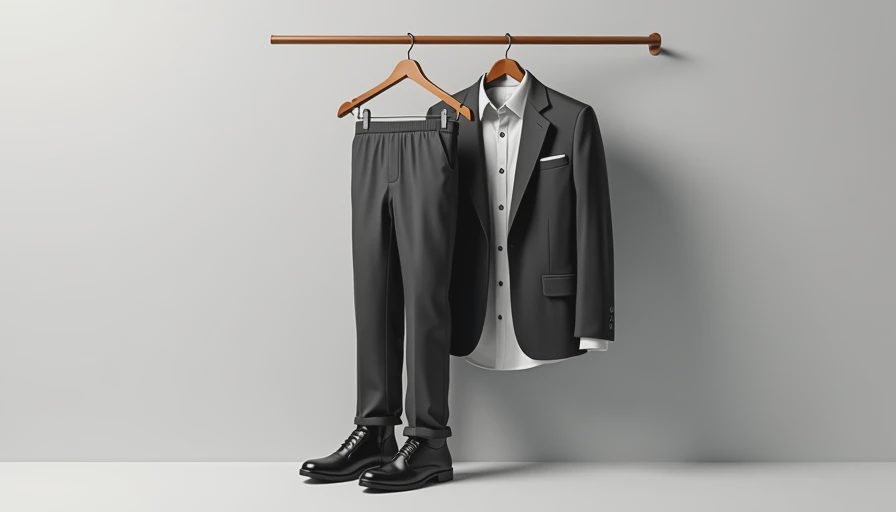
What to wear to work without looking overdone
For a modern office, my favorite formula is one tailored item, one soft item, and one polished accessory. Try wide-leg black pants with a tucked-in cotton tee, then add a slim belt and a cropped jacket. The contrast keeps the look from becoming stiff. A fine-gauge sweater works just as well when the office air-conditioning is aggressive.
If your workplace is more casual, dark straight-leg jeans with a crisp button-down are dependable. Leave the shirt untucked if it has a curved hem, or tuck only the front to show your waist. A structured tote and small hoop earrings make the combination feel finished. For a more creative office, wear a printed skirt with a simple knit and clean sneakers; the skirt does the visual work, so the rest can stay quiet.
Fit matters more than the label. Pants should skim the hips without pulling at the pockets, and a blazer shoulder should end near your actual shoulder bone. If you are between sizes, size up in a rigid woven jacket and tailor the sleeves. A $20 sleeve adjustment can make a $60 jacket look much more expensive.
What to wear for errands and weekends
Weekend dressing should survive coffee, groceries, dog walks, and an unexpected photo. I reach for relaxed jeans, a ribbed tank, and an oversized button-down worn open. The shirt provides coverage when needed, but it can also be tied at the waist once the day warms up. Add a crossbody bag so your hands stay free, and choose a fabric that does not show every wrinkle.
For warmer weather, a cotton poplin dress is an excellent one-and-done option. Look for adjustable straps, useful pockets, and enough room to sit comfortably. Style it with flat sandals for a simple look or add a denim jacket and sneakers when you want more coverage. A cotton or linen blend usually feels better than very thin synthetic fabric, especially during a long afternoon outside.
What to wear on a cool morning is easier when you use a three-layer plan: a close-fitting base, a light overshirt, and a jacket you can remove. This prevents the classic mistake of leaving home in a heavy sweater and regretting it by noon. I keep a compact cardigan in my tote during spring and fall because indoor temperatures are rarely predictable.
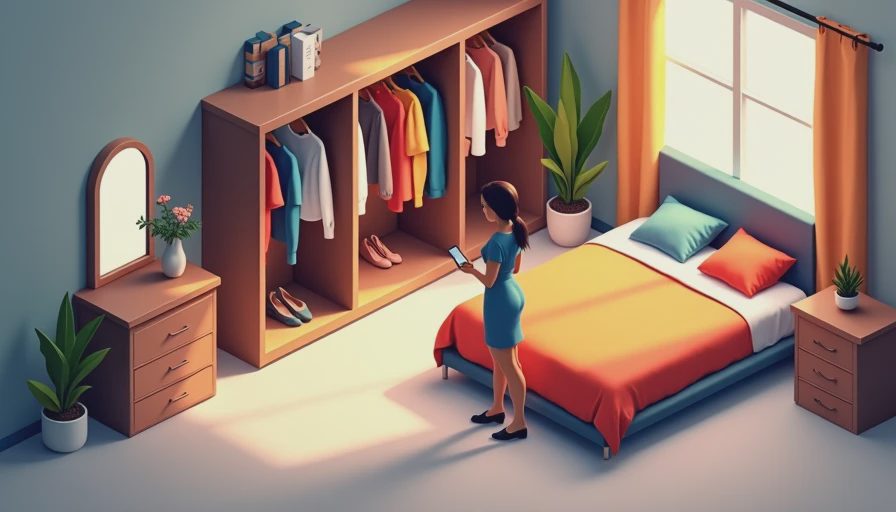
What to wear for a date or dinner
For a casual date, I like a combination that looks considered but does not require constant adjusting. Try dark jeans, a satin camisole, and a cropped cardigan, or wear a slip skirt with a substantial cotton tee. The contrast between a dressier texture and an everyday piece feels current without looking like you tried too hard.
If you prefer a dress, choose one with movement rather than a rigid bodycon shape. A wrap silhouette, square neckline, or bias-cut midi can define the outfit while remaining comfortable at dinner. Add a small shoulder bag and low heels, then bring a light jacket for the walk home. The best answer to what to wear is usually the outfit you can sit, eat, and move in confidently.
For accessories, pick one focal point. Gold hoops, a red lip, a vintage watch, or a textured bag is enough. Wearing every statement piece at once can make a simple outfit feel busy. Before leaving, check the look in natural light because colors can appear very different under a bedroom lamp.
Build a closet of repeatable formulas
A useful closet is not necessarily a large closet. I would rather own three excellent bottoms, four dependable tops, two layers, and shoes for different levels of walking than a rail of impulse purchases. Start by identifying what to wear when you feel rushed. Those outfits reveal your real preferences better than a mood board does.
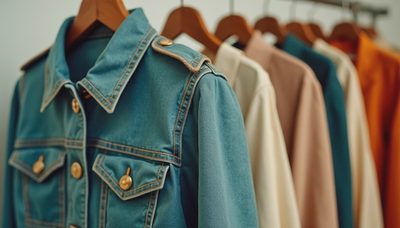
One practical mini-capsule could include straight-leg jeans, black trousers, a midi skirt, white and black tees, a striped shirt, a neutral sweater, a blazer, and a denim jacket. From that group, you can create outfits for work, travel, errands, and dinner by changing accessories and shoes. Take mirror photos of combinations you love and save them in an album. On a busy morning, you can copy a proven outfit instead of starting from zero.
When shopping, ask whether the new item works with at least three pieces already in your closet. If it needs special underwear, delicate cleaning, or an entirely new pair of shoes, the real price is higher than the tag. I also check fabric in person when possible. Scratchy knits, overly shiny polyester, and thin white fabric rarely improve after the first wash.
My honest keep-or-return test
Before keeping something, wear it for ten minutes at home. Sit down, raise your arms, walk up stairs, and look at the back. If the waistband rolls, the neckline gaps, or the fabric clings in a way you dislike, the problem will not disappear because the item is on sale. Return it while the tags are still attached.
The strongest answer to what to wear is clothing that supports your actual life. A beautiful vintage jacket that works over jeans is more useful than a trendy top that only matches one skirt. A $35 cotton dress worn twice a week can deliver more value than a $150 statement piece that stays in the closet. Keep the pieces that make getting dressed faster, more comfortable, and a little more fun. That is the honest verdict: style should serve your day, not create another task.

No notes yet — write the first one.